Chip iPhone sets the stage for this enthralling narrative, offering readers a glimpse into a story that is rich in detail and brimming with originality from the outset. Apple’s A-series chips have transformed the smartphone landscape with their cutting-edge architecture, remarkable performance, and energy efficiency. This exploration dives deep into the components that make up these powerful chips, their evolution over time, and the significant impact they have on user experience.
From the intricate manufacturing processes to the challenges faced in the supply chain, the journey of iPhone chips is a fascinating one. With advancements in technology, future chips promise even more enhancements, integrating artificial intelligence and machine learning to elevate functionality beyond our current expectations.
Chip Architecture in iPhones
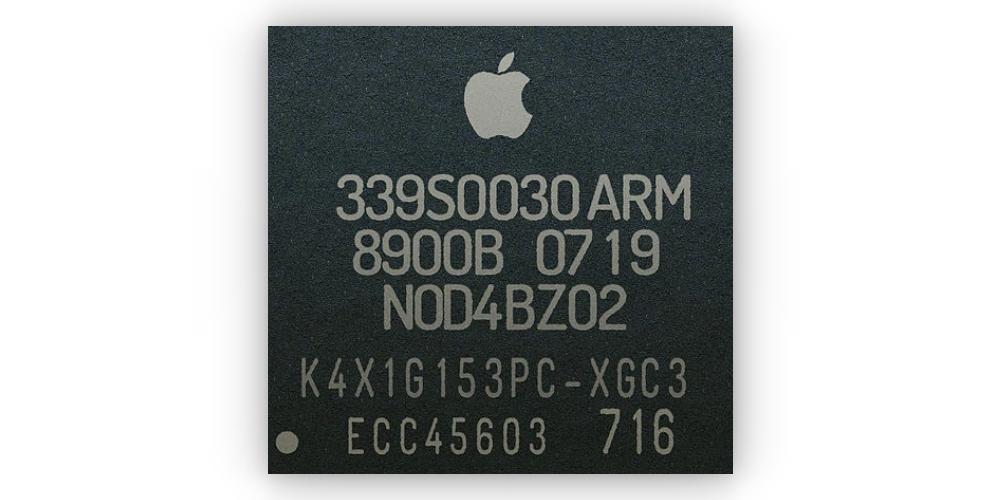
The chip architecture of iPhones is a cornerstone of Apple’s technology, enabling enhanced performance, energy efficiency, and a seamless user experience. This architecture integrates various components that work in harmony to provide the functionality users expect from Apple’s devices. Understanding these key components offers insight into how they contribute to overall performance and efficiency.
The architecture of iPhone chips typically consists of several critical components, including the CPU (Central Processing Unit), GPU (Graphics Processing Unit), Neural Engine, and various specialized co-processors. Each of these elements plays a distinct role:
- CPU: The CPU is the brain of the chip, responsible for executing instructions and managing operations. Apple’s A-series chips have evolved from using dual-core designs to powerful multi-core setups, significantly boosting performance.
- GPU: The GPU handles graphics rendering, making it vital for gaming and graphic-intensive applications. Apple designs its GPUs to optimize for performance and power consumption.
- Neural Engine: Introduced in the A11 Bionic chip, the Neural Engine accelerates machine learning tasks, enhancing features like Face ID and photography.
- Specialized Co-processors: These include the image signal processor (ISP) for better camera performance, motion co-processors for fitness tracking, and secure enclaves for managing sensitive data securely.
Differences Between A-series Chips in iPhone Models, Chip iphone
Each generation of Apple’s A-series chips has introduced enhancements and optimizations that differentiate them across various iPhone models. The following points highlight these differences:
- Architecture and Process Technology: Over the years, Apple has transitioned from 14nm to 5nm process technology, allowing for more transistors on a chip, which enhances performance and efficiency. For instance, the A14 Bionic chip features around 11.8 billion transistors compared to the A10 Fusion’s 4.3 billion.
- Performance Metrics: Each chip generation typically focuses on increasing CPU and GPU performance. The A15 Bionic, used in the iPhone 13, provided a substantial performance uplift over the A14, with better graphics capabilities and improved machine learning performance.
- Power Efficiency: Newer chips are designed to consume less power for the same level of performance. The A16 Bionic chip in the iPhone 14 Pro models introduced features that allow for dynamic power management and improved battery life.
- Integrated Technology: With each iteration, Apple has integrated more advanced technologies. The A12 Bionic introduced support for HDR video recording, while the A15 supports ProRAW and ProRes video formats, catering to professional users.
Evolution of Chip Technology in iPhones
The evolution of chip technology in iPhones reflects Apple’s commitment to innovation and performance improvement. Initially, the A-series chips focused primarily on basic processing needs, but a significant transformation began with the introduction of the A4 chip in 2010.
The advancement can be summarized as follows:
- A4 to A6: These early chips marked the transition from single-core to dual-core processors, focusing on improved multitasking capabilities.
- A7 and 64-bit Architecture: The A7 chip, introduced in 2013, was the first 64-bit processor in a smartphone, paving the way for more advanced applications and features.
- A9 and A10: With the A9 and A10 chips, Apple introduced the Neural Engine and significant improvements in graphics processing, enhancing gaming and augmented reality experiences.
- A11 to A16: The introduction of the A11 Bionic brought significant advancements in machine learning and artificial intelligence capabilities, while the latest A16 chip continues to push boundaries with enhanced performance and efficiency, integrating advanced technologies like ProMotion and improved camera processing.
Performance and Efficiency
The evolution of iPhone chips has marked a significant leap in performance and energy efficiency, reshaping user experiences across various applications. Each new iteration showcases enhancements that not only boost processing power but also optimize battery life, pivotal for modern mobile usage.
Performance metrics of iPhone chips demonstrate a consistent trend towards increased computational power and speed. Apple’s A-series chips, starting from the A10 Fusion to the latest A16 Bionic, have progressively improved their multi-core and single-core performance. For instance, the A15 Bionic chip offers a CPU performance increase of up to 50% compared to its predecessor, the A14, while the GPU performance sees an uplift of around 30%. These changes translate into faster app launches, smoother multitasking, and an overall snappier user interface.
Energy Efficiency and Battery Life Improvements
The advent of newer chips has also brought notable advancements in energy efficiency, leading to significant enhancements in battery life. Apple’s design philosophy emphasizes low power consumption while maintaining high performance, which is evident in the following:
– A15 Bionic: Introduced a 5-core GPU that consumes significantly less power compared to prior models, achieving up to 15 hours of video playback on the iPhone 13.
– A16 Bionic: Features a more advanced 4nm process technology that improves power efficiency, allowing devices like the iPhone 14 Pro to sustain longer battery life while engaging in demanding tasks such as gaming or video editing.
These advancements are not merely theoretical; real-world usage highlights the benefits. Users have reported an increase in daily usage without frequent charging, with the iPhone 14 achieving up to 26 hours of talk time, a testament to the efficiency of the new chip architecture.
Impact of Chip Performance on User Experience
The performance of iPhone chips directly influences how users engage with applications, driving both productivity and entertainment. Key aspects affected include:
– App Performance: Enhanced graphics and processing capabilities enable more demanding applications, from high-end gaming to augmented reality experiences, ensuring a seamless user experience.
– Multitasking: With improved multi-core performance, users can run several applications simultaneously without lag, fostering productivity and ease of use.
– Machine Learning Capabilities: New chips come equipped with advanced neural engines, improving tasks such as photo and video editing, voice recognition, and personalized app features, making interactions more intuitive and responsive.
The continual refinement of iPhone chips fosters a cycle of performance and efficiency that not only meets but often exceeds user expectations, paving the way for innovative applications and experiences.
Manufacturing and Supply Chain
The manufacturing process of iPhone chips is a complex orchestration involving cutting-edge technology and a global network of suppliers. Key players in the industry include semiconductor giants such as TSMC (Taiwan Semiconductor Manufacturing Company), which fabricates the chips, and Apple itself, which designs them to meet specific performance and efficiency benchmarks. Understanding this intricate web of manufacturing and supply chain logistics is crucial to grasping how Apple maintains its position at the forefront of smartphone innovation.
The production of iPhone chips begins with the design phase, where Apple’s engineers create the architecture and functionality of the chip tailored for specific tasks within the device. Once the design is finalized, the manufacturing process shifts to TSMC, known for its advanced fabrication technologies. The chips undergo several stages, including wafer fabrication, where silicon wafers are sliced and processed to create the chip components, followed by testing and packaging. This process is highly sensitive to any disruptions, whether they stem from technical challenges or supply chain issues.
Key Players in Chip Manufacturing
Several key players contribute to the manufacturing of iPhone chips, each playing a pivotal role in ensuring the seamless production and supply of these integral components. Their contributions are essential for a smooth manufacturing process:
- Apple: Responsible for the design and specification of the chips, Apple also oversees the entire production process to ensure that its performance standards are met.
- TSMC: As the primary fabricator, TSMC utilizes cutting-edge technology to produce chips that meet Apple’s stringent requirements, setting the industry standard for quality and efficiency.
- ASE Technology Holding: Focused on packaging and testing, ASE ensures that the chips are ready for integration into the iPhone and meet reliability standards.
- GlobalFoundries: While not the primary manufacturer for Apple, GlobalFoundries participates in semiconductor production, contributing to the overall supply chain.
Challenges in the Supply Chain
The supply chain for chip production and distribution faces numerous challenges that can impact the availability of components essential for iPhone manufacturing. These challenges include:
- Raw Material Shortages: The semiconductor industry relies on specific materials, such as silicon and rare earth metals. Disruptions in mining or geopolitical conflicts can lead to shortages and increased costs.
- Logistical Disruptions: The COVID-19 pandemic highlighted vulnerabilities in shipping and logistics networks, resulting in delays and extended lead times for chip delivery.
- Technological Hurdles: As chips become more advanced, the complexity of manufacturing increases, requiring specialized equipment and skilled labor, which can be hard to secure.
Impact of Global Events on Chip Supply
Global events significantly influence the supply chain dynamics of chip production. Factors such as trade policies, natural disasters, and international conflicts can create ripple effects that impact chip availability. For example:
- U.S.-China Trade Tensions: Tariffs and restrictions on technology transfers can disrupt supply chains, impacting the sourcing of materials and collaboration between companies.
- Natural Disasters: Events like earthquakes in Taiwan or floods in Southeast Asia can halt production facilities, leading to severe shortages in chip supply.
- Global Health Crises: The pandemic has demonstrated how health crises can shut down factories and disrupt logistics, revealing the fragility of global supply chains.
“The intertwining of global supply chains means that a disruption in one area can have cascading effects throughout the entire chip production process.”
Future of iPhone Chips

The evolution of iPhone chips is set to redefine what users can expect from their devices. As technology progresses, Apple’s commitment to innovation ensures that the next generation of iPhone chips will not only enhance performance but also integrate advanced functionalities that cater to the growing demands of consumers. This segment explores the anticipated trends, potential features, and the significant impact of artificial intelligence and machine learning on future iPhone chips.
Upcoming Trends in Chip Technology
As we look toward the future, several trends are poised to influence the design and capabilities of iPhone chips. These trends reflect broader advancements in semiconductor technology and align with consumer expectations for high-performance, energy-efficient devices.
- 3nm and Beyond: The transition to smaller nanometer processes, such as 3nm and 2nm, promises significant improvements in power efficiency and performance. These advancements will allow for more transistors per chip, enhancing overall processing capabilities.
- Integrated 5G Modems: Future chips are expected to further integrate 5G modems directly onto the chip, improving connectivity and reducing power consumption, which is crucial for seamless, high-speed internet access.
- Advanced Graphics Processing Units (GPUs): With the rise of mobile gaming and augmented reality applications, enhanced GPUs will enable richer visual experiences and improved rendering capabilities.
- Increased Focus on Security: Enhanced security features will be embedded in future chips, leveraging hardware-level security measures to protect user data and privacy.
Potential Features in Future iPhone Chips
The next generation of iPhone chips is expected to introduce innovative features that enhance the overall user experience and functionality of devices. The following potential features could significantly impact how users interact with their iPhones.
- Multi-Core Processing: Increased cores and threads will allow for better multitasking, making it possible to run multiple applications smoothly without lag.
- Improved Neural Engines: A more advanced neural engine designed for machine learning tasks will enhance functionalities such as image recognition, natural language processing, and personalized user experiences.
- Enhanced Battery Management: Future chips may include sophisticated battery management systems that optimize energy consumption based on usage patterns, extending battery life significantly.
- Real-Time Data Processing: Chips that can process data in real-time will enable new functionalities, such as instant translation and augmented reality applications that integrate seamlessly with the environment.
Role of Artificial Intelligence and Machine Learning
Artificial intelligence (AI) and machine learning (ML) are poised to become integral components of future iPhone chips, driving innovations that enhance user experience and device capabilities. The integration of AI and ML techniques into the chip architecture will enable smarter processing and improved functionality.
- Personalization: Future iPhone chips will leverage AI to analyze user behavior, allowing for personalized suggestions and improved user interfaces tailored to individual preferences.
- Enhanced Imaging: ML algorithms will revolutionize photography capabilities, optimizing image quality through advanced computational photography features that enhance low-light performance and focus accuracy.
- Voice Recognition Improvements: AI-driven voice recognition will become more accurate and responsive, improving features like Siri and enabling hands-free controls for various applications.
- Contextual Awareness: Chips embedded with ML capabilities will allow devices to understand and respond to contextual information, enhancing features such as location services and predictive text input.
“The future of iPhone chips lies in their ability to harness the power of AI and machine learning, transforming ordinary tasks into intelligent, seamless experiences.”
FAQ Compilation: Chip Iphone
What is the role of A-series chips in iPhones?
A-series chips are crucial for the performance and efficiency of iPhones, handling everything from processing speed to graphics rendering.
How do iPhone chips compare to competitors?
iPhone chips typically lead the market in performance benchmarks, offering superior speed and efficiency compared to many competitors.
What advancements can we expect in future iPhone chips?
Future iPhone chips are expected to feature enhanced AI capabilities, improved energy efficiency, and even faster processing speeds.
How does chip efficiency affect battery life?
More efficient chips consume less power, directly leading to longer battery life and better overall device performance.
What impact do global events have on chip production for iPhones?
Global events such as trade disputes or pandemics can disrupt the supply chain, affecting the availability and production of iPhone chips.
In the realm of smartphones, the Samsung Note7 remains a memorable device, notorious for its explosive battery issues that led to a massive recall. This incident not only impacted Samsung’s reputation but also reshaped industry standards for battery safety, highlighting the need for rigorous testing in technology. As consumers, we learned the importance of being informed about the devices we use daily.
On the other hand, the Motorola Moto X4 stands out as a reliable mid-range option, featuring a sleek design and a dual-camera setup that appeals to photography enthusiasts. Its balance of performance and affordability makes it a great choice for those who seek functionality without breaking the bank. This model showcases Motorola’s commitment to delivering quality smartphones in a competitive market.