samsung note7 sets the stage for this enthralling narrative, offering readers a glimpse into a story that is rich in detail. Released in 2016, the Samsung Note7 was hailed for its stunning display, advanced features, and cutting-edge technology, quickly capturing the attention of tech enthusiasts and consumers alike. However, what began as a triumph in innovation soon spiraled into a crisis that tested the brand’s integrity and consumer trust.
The Galaxy Note7 was equipped with impressive specifications, including a vibrant 5.7-inch curved display, powerful processor, and enhanced S Pen features that appealed to a diverse audience ranging from professionals to everyday users. Yet, the excitement surrounding its release was overshadowed by significant battery issues that led to a massive recall, marking a pivotal moment in Samsung’s history.
Overview of Samsung Note7
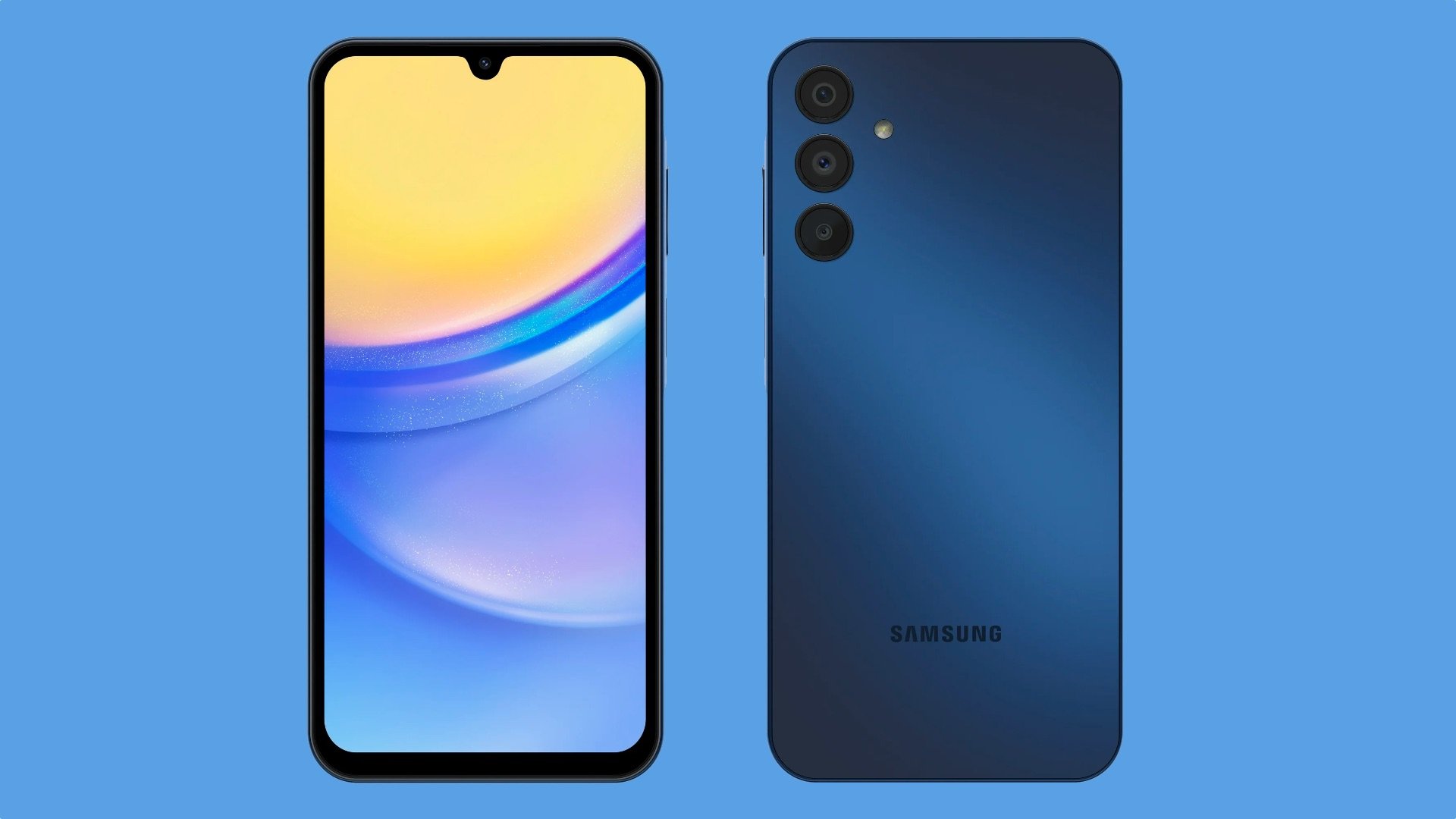
The Samsung Note7 was a flagship smartphone that combined advanced technology with a premium design, capturing the attention of tech enthusiasts upon its release. Launched in August 2016, it aimed to offer consumers a powerful device with cutting-edge features that catered to both productivity and entertainment.
The Samsung Note7 was positioned as a premium device in the smartphone market, appealing to users who sought a device that could handle multitasking and creative tasks. With its introduction, Samsung aimed to attract professionals, students, and tech-savvy individuals who valued functionality as well as aesthetics.
Historical Timeline of Release and Events
The timeline of the Samsung Note7’s release is marked by significant events that contributed to its prominence in the tech community. Below is a chronological overview:
- August 2016: Samsung officially unveiled the Note7 at an event in New York City, generating excitement with its sleek design and innovative features.
- September 2016: Pre-orders began, and the device received positive reviews from tech critics, highlighting features like the S Pen and iris scanner.
- October 2016: Reports of battery explosions surfaced, prompting Samsung to issue recalls and halt sales, which significantly impacted the brand’s reputation.
- December 2016: The Note7 was officially discontinued after attempts to fix battery issues failed, resulting in a complete withdrawal from the market.
Specifications and Features
The Samsung Note7 was celebrated for its robust specifications and a range of features that set it apart from competitors. The following highlights its key attributes:
- Display: 5.7-inch Quad HD Super AMOLED display that delivered vibrant colors and sharp images, enhancing user experience for media consumption.
- Processor: Exynos 8890 or Qualcomm Snapdragon 820, providing powerful performance for demanding applications and multitasking.
- Camera: Equipped with a 12MP rear camera featuring dual pixel technology for superior low-light performance and a 5MP front-facing camera for selfies.
- S Pen: The redesigned S Pen allowed for more precise input, offering features like screen-off memo and translation capabilities, which appealed to creatives and professionals.
- Water Resistance: IP68 rating for dust and water resistance, making it suitable for various environments.
- Battery: 3,500 mAh battery which initially provided excellent battery life until the recall issues arose.
Target Audience and Market Positioning, Samsung note7
Samsung clearly defined the target audience for the Note7, aiming to attract professionals, students, and tech enthusiasts who valued productivity. The market positioning of the device was particularly strategic:
- Professionals: The Note7’s S Pen and multitasking capabilities appealed to business users who required efficiency and flexibility in workflow.
- Creatives: Artists and content creators found the Note7’s advanced stylus features advantageous for drawing and note-taking.
- Tech Enthusiasts: Early adopters of technology were drawn to the innovative features, such as the iris scanner and high-quality display.
Battery Issues and Recall: Samsung Note7
The Samsung Note7, released in August 2016, quickly garnered attention for its impressive features, but it was soon overshadowed by significant battery issues that led to its recall. The heart of the problem lay in the lithium-ion batteries manufactured by two different suppliers, which were prone to overheating and, in some cases, catching fire. This situation ultimately forced Samsung to make the difficult decision to recall the device, impacting both consumers and the brand’s reputation.
The technical reasons behind the battery problems primarily revolved around design flaws and manufacturing defects. The batteries were found to have two major issues: the first was a manufacturing defect that could cause the battery’s anode to come into contact with the separator, leading to short-circuits and thermal runaway. The second issue involved the battery design itself, which had insufficient space for the electrolyte during charging, creating pressure that could result in swelling and subsequent failure.
Timeline and Procedures of the Recall Process
In response to the dangerous incidents, Samsung initiated a recall that unfolded over several critical phases:
1. Initial Announcement: On September 2, 2016, Samsung announced a global recall after reports of devices catching fire surfaced.
2. Exchange Program: The company launched an exchange program, offering customers the opportunity to return their Note7 devices for a refund or a replacement with an updated model.
3. Replacement Units: Despite the replacement units being deemed safe, the problem persisted, leading to another recall on October 13, 2016, which ultimately halted production.
4. Final Resolution: By December 2016, Samsung had officially ceased all sales of the Note7 and implemented a rigorous process for returning all devices from consumers.
Throughout this process, Samsung emphasized customer safety and communicated transparently about the steps being taken to resolve the issues.
Comparison of Samsung’s Recall Response with Other Companies
When comparing Samsung’s recall response to other companies facing similar crises, several key factors emerge. The Note7 recall became one of the largest and most notable tech product recalls in history. While the response was swift, other companies have also faced significant recall challenges:
– Apple’s iPhone 6 Plus: In 2015, Apple faced a recall due to issues with the “Touch Disease,” which caused malfunctioning screens. The company offered repair programs and communicated clearly with customers, but the scale of the recall was far less extensive than that of the Note7.
– General Motors (GM): The ignition switch recall in 2014 involved millions of vehicles and resulted in multiple fatalities. GM’s handling involved a slower response and faced criticism over communication failures, impacting consumer trust.
Samsung’s proactive approach and extensive media engagement set a benchmark for crisis management in the tech industry. The combination of immediate action, comprehensive communication, and a focus on consumer safety helped mitigate some of the backlash from the situation, although the long-term effects on the brand’s image remained significant.
“Samsung’s Note7 debacle serves as a crucial lesson in product safety and crisis management within the consumer electronics sector.”
Impact on Samsung Brand
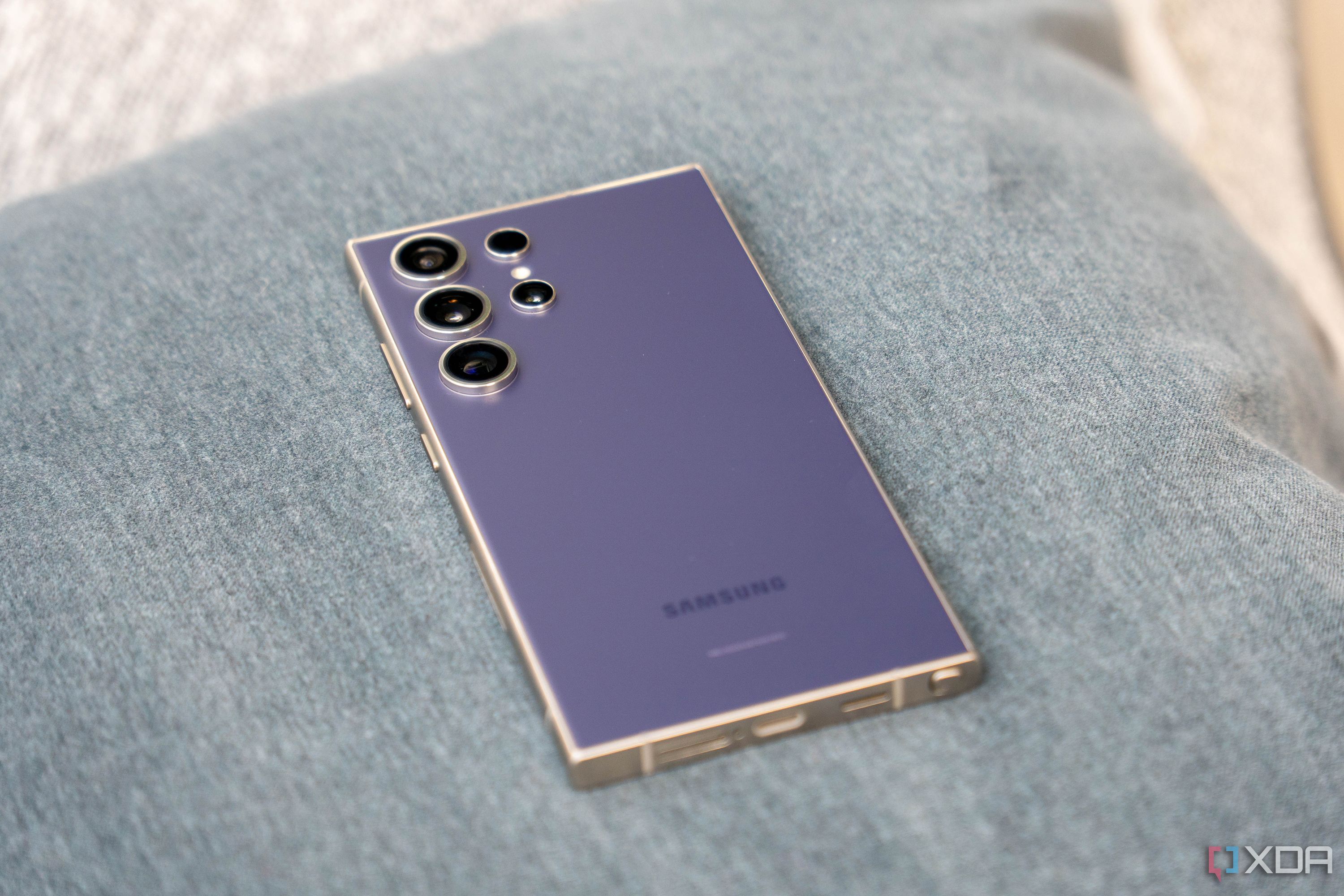
The Samsung Galaxy Note7 incident marked a pivotal moment in the company’s history, leading to both immediate and long-lasting repercussions on its brand reputation. The initial excitement surrounding the Note7’s innovative features quickly turned into a crisis as reports of battery malfunctions surfaced. This event not only triggered a massive recall but also instigated a reevaluation of Samsung’s brand image among consumers and stakeholders alike.
Long-term Effects on Brand Reputation
The fallout from the Note7 crisis had profound implications for Samsung’s brand equity. The incident damaged consumer trust, particularly in the smartphone division, where reliability is paramount. Key long-term effects include a decrease in brand loyalty and a shift in public perception. Many consumers questioned the company’s commitment to safety and quality, leading to a decline in sales and market share.
Samsung faced the challenge of overcoming negative media coverage and public scrutiny. Stakeholders, including investors and partners, grew apprehensive about the company’s management practices. Market research indicated a notable dip in customer satisfaction, with surveys highlighting concerns regarding Samsung’s accountability and transparency.
Strategies to Regain Customer Trust
In the aftermath of the Note7 crisis, Samsung implemented a multi-faceted approach to restore consumer confidence. The following strategies played a critical role in rebuilding its reputation:
- Transparent Communication: Samsung prioritized direct and open communication with customers, providing regular updates on the recall process and safety measures being enacted.
- Enhanced Safety Protocols: The introduction of rigorous safety checks, including an extensive battery test program, aimed to ensure the quality and safety of future products.
- Customer Compensation: Samsung offered compensation packages to affected Note7 customers, including refunds and trade-in options, to mitigate dissatisfaction.
- Launch of New Products: The timely release of the Galaxy S8, emphasized as a safe and reliable device, was crucial in diverting attention from the Note7 incident.
Samsung’s commitment to addressing the crisis was reflected in its proactive measures, which were crucial for regaining market trust. The company’s efforts to emphasize safety and quality through innovative technologies also showcased its dedication to learning from past mistakes.
Influence on Future Product Developments
The Note7 crisis had a significant impact on the design and engineering of subsequent Samsung products. The incident prompted a strategic shift towards prioritizing safety and reliability in product development. Key influences include:
- Battery Technology Innovations: Samsung advanced its research and development in battery technologies, focusing on enhancing safety features and minimizing risks associated with battery malfunctions.
- Quality Assurance Revamp: The company revamped its quality assurance processes, implementing comprehensive testing protocols to identify potential issues before product launches.
- Focus on User Feedback: Future product designs increasingly incorporated consumer feedback to ensure that features aligned with user expectations and safety standards.
- R&D Investments: Increased investments in R&D for next-generation technologies, including more rigorous testing methodologies, demonstrated a commitment to preventing similar issues.
The Note7 crisis served as a critical lesson for Samsung, shaping its approach to product development and consumer engagement in significant ways. The enhancements in safety protocols and commitment to quality have become central to the brand’s narrative moving forward, influencing how consumers perceive Samsung products in the competitive tech landscape.
Consumer Reactions and Reviews
The Samsung Note7 was highly anticipated, merging cutting-edge technology with sleek design. However, the excitement soon turned into anxiety as consumers faced serious safety concerns due to battery issues. This section explores the diverse consumer experiences and reviews of the Note7 before and after the recall, providing insights into the impact of user-generated content on social media.
Consumer reactions to the Samsung Note7 varied significantly, with early adopters expressing both enthusiasm and frustration. Many users praised the device for its premium features, such as the vibrant display, powerful camera, and innovative stylus integration. However, as battery problems emerged, reactions shifted dramatically. Users took to social media platforms to voice their concerns, creating a wave of negative sentiment that challenged Samsung’s stronghold in the smartphone market.
User Experiences Before the Recall
Before the recall, the consumer feedback about the Note7 was predominantly positive, highlighting various aspects of the device. The following points summarize the key praises from users:
- Exceptional Design: Users admired the premium feel of the device, noting its sleek build and attractive aesthetics.
- Innovative Features: The S Pen functionality received accolades for enhancing productivity and creativity.
- High-Quality Display: Many users appreciated the vivid Super AMOLED display, which was ideal for media consumption.
- Performance: The Note7’s speed and multitasking capabilities were frequently highlighted, making it a popular choice for power users.
Despite these positive reviews, the atmosphere shifted as reports of battery malfunctions began to surface.
User Reactions After the Recall
The recall of the Samsung Note7 caused a significant backlash among consumers, leading to a flood of negative reviews and sentiments online. Users expressed their disappointment and concern regarding the safety of the device they once cherished. The following points illustrate the major themes that emerged in user feedback post-recall:
- Safety Concerns: Many users felt betrayed, with a strong emphasis on the fear of potential explosions or fires.
- Frustration with Recall Process: The process of returning the device was met with mixed feelings, with some users experiencing hassle and delays.
- Brand Loyalty Tested: Longtime Samsung fans expressed their disappointment, questioning their loyalty to the brand.
- Social Media Impact: The discourse on platforms like Twitter and Facebook amplified complaints and fueled widespread discussions about consumer safety in the tech industry.
Lessons Learned from Consumer Feedback
Consumer feedback surrounding the Note7 experience provides valuable lessons for future smartphone releases. Understanding these insights can help manufacturers avoid similar pitfalls and enhance customer satisfaction in the long run:
- Prioritize Safety: Ensuring battery safety and conducting thorough testing before launch is crucial to protect consumers.
- Transparent Communication: Companies should maintain open lines of communication with consumers during crises to rebuild trust.
- Responsive Customer Service: Efficient handling of recalls and consumer concerns can significantly mitigate brand damage.
- Engage with Social Media: Actively monitoring and responding to social media feedback can help companies gauge public sentiment and address issues promptly.
“The Note7 incident highlighted the importance of consumer safety and the potential repercussions of neglecting it in product design.”
FAQs
What caused the battery issues in the Samsung Note7?
The battery issues were primarily due to manufacturing defects that led to overheating and, in some cases, combustion.
How did Samsung respond to the Note7 recall?
Samsung initiated a global recall, offering exchanges and refunds to customers, alongside a comprehensive investigation into the battery failures.
What impact did the Note7 crisis have on Samsung’s brand?
The crisis significantly impacted Samsung’s brand reputation, prompting strategic changes to restore consumer confidence and enhance product safety measures.
What were consumer reactions to the Note7 before and after the recall?
Prior to the recall, consumers praised the Note7 for its features; however, post-recall sentiments shifted to skepticism and concerns regarding product safety.
Did the Note7 incident influence Samsung’s future products?
Yes, the Note7 incident led Samsung to prioritize safety and reliability in its subsequent product designs and engineering processes.
The Samsung Galaxy S II revolutionized the smartphone market with its sleek design and powerful performance. It introduced features that set the standard for future devices, making it a beloved choice for tech enthusiasts. Its vibrant display and impressive camera capabilities continue to resonate with users even today.
For those seeking a balance between performance and affordability, the Motorola Moto X4 stands out as an excellent option. With its sturdy build and impressive dual-camera system, it offers great value for money. This smartphone caters well to everyday users, providing a reliable experience without breaking the bank.