samsung galaxy s ii sets the stage for an enthralling narrative, heralding a smartphone that transformed how we perceive mobile technology. With a stunning design, impressive specifications, and user-friendly interface, this device not only captured the hearts of consumers but also set a benchmark for future smartphones.
From its vibrant display to exceptional camera capabilities, the Samsung Galaxy S II showcased a perfect blend of aesthetic appeal and robust performance. Its innovative features and software enhancements provided users with an unrivaled experience, making it a significant player in the smartphone market.
Features and Specifications
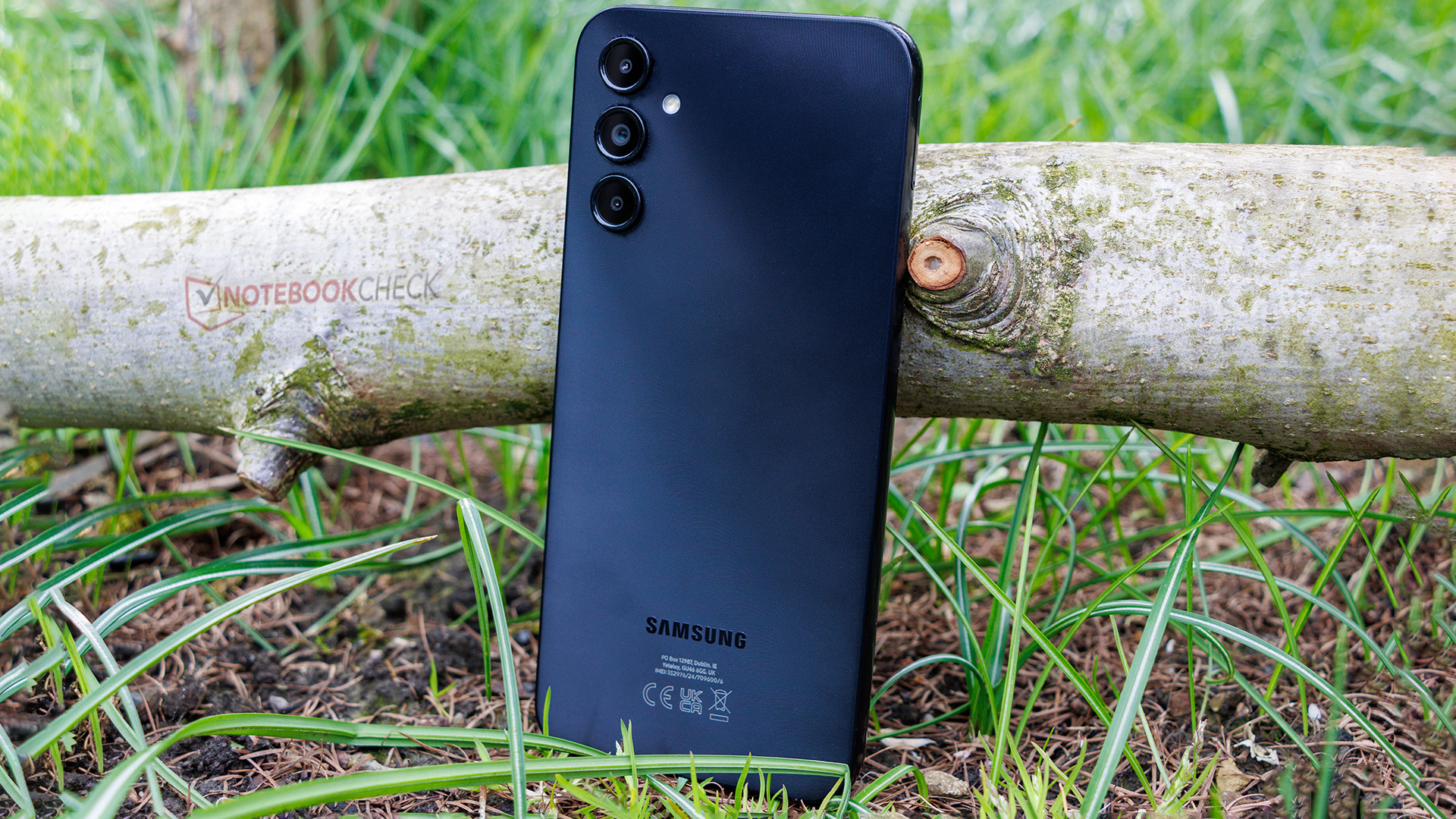
The Samsung Galaxy S II, launched in 2011, marked a significant advancement in smartphone technology, setting new standards for the industry. It combines a sleek design with powerful hardware and innovative software features that enhance user experience and performance. This device was a game-changer in its era, pushing the boundaries of what users could expect from a mobile phone.
The Galaxy S II boasts a 4.3-inch Super AMOLED Plus display, providing vivid colors and deep contrasts, making it ideal for media consumption and gaming. Equipped with a dual-core 1.2 GHz processor, it ensures fast performance and smooth multitasking capabilities. The camera quality is another highlight, featuring an 8 MP rear camera with autofocus and LED flash, capable of recording video at 1080p, along with a 2 MP front-facing camera for video calls. The device runs on Android 2.3 (Gingerbread) with TouchWiz UI, enhancing its functionality with additional features and customization options.
Comparison with Predecessors and Successors
The Samsung Galaxy S II can be directly compared to both its predecessors and successors to understand its impact and evolution.
– Predecessor: Samsung Galaxy S
– Display: 4.0-inch Super AMOLED
– Processor: Single-core 1 GHz
– Camera: 5 MP rear camera
– RAM: 512 MB
The Galaxy S II significantly improved upon its predecessor, offering a larger display, dual-core processing power, and higher camera resolution, fundamentally enhancing user experience.
– Successor: Samsung Galaxy S III
– Display: 4.8-inch Super AMOLED
– Processor: Quad-core 1.4 GHz
– Camera: 8 MP rear camera
– RAM: 1 GB
While the Galaxy S III continued the trend of improvement, the Galaxy S II was a pivotal step in performance and capabilities, often remembered for setting the groundwork for Samsung’s future flagship devices.
Unique Software Features, Samsung galaxy s ii
The software features of the Samsung Galaxy S II not only improved usability but also contributed to its popularity. The device runs on Samsung’s customized TouchWiz interface, which adds several functionalities to the standard Android experience.
Key software features include:
– Smart Stay: This innovative feature uses the front camera to detect when the user is looking at the screen, keeping it on even when idle.
– Pop-up Play: Allows users to multitask by playing a video in a small window while using other applications.
– S Voice: An advanced voice recognition feature introduced to allow users to control their devices through voice commands, enhancing hands-free operation.
The combination of these software enhancements with the robust hardware specifications of the Galaxy S II provided a compelling user experience that resonated well with consumers at the time, making it a standout device in the competitive smartphone market.
Design and Build Quality: Samsung Galaxy S Ii
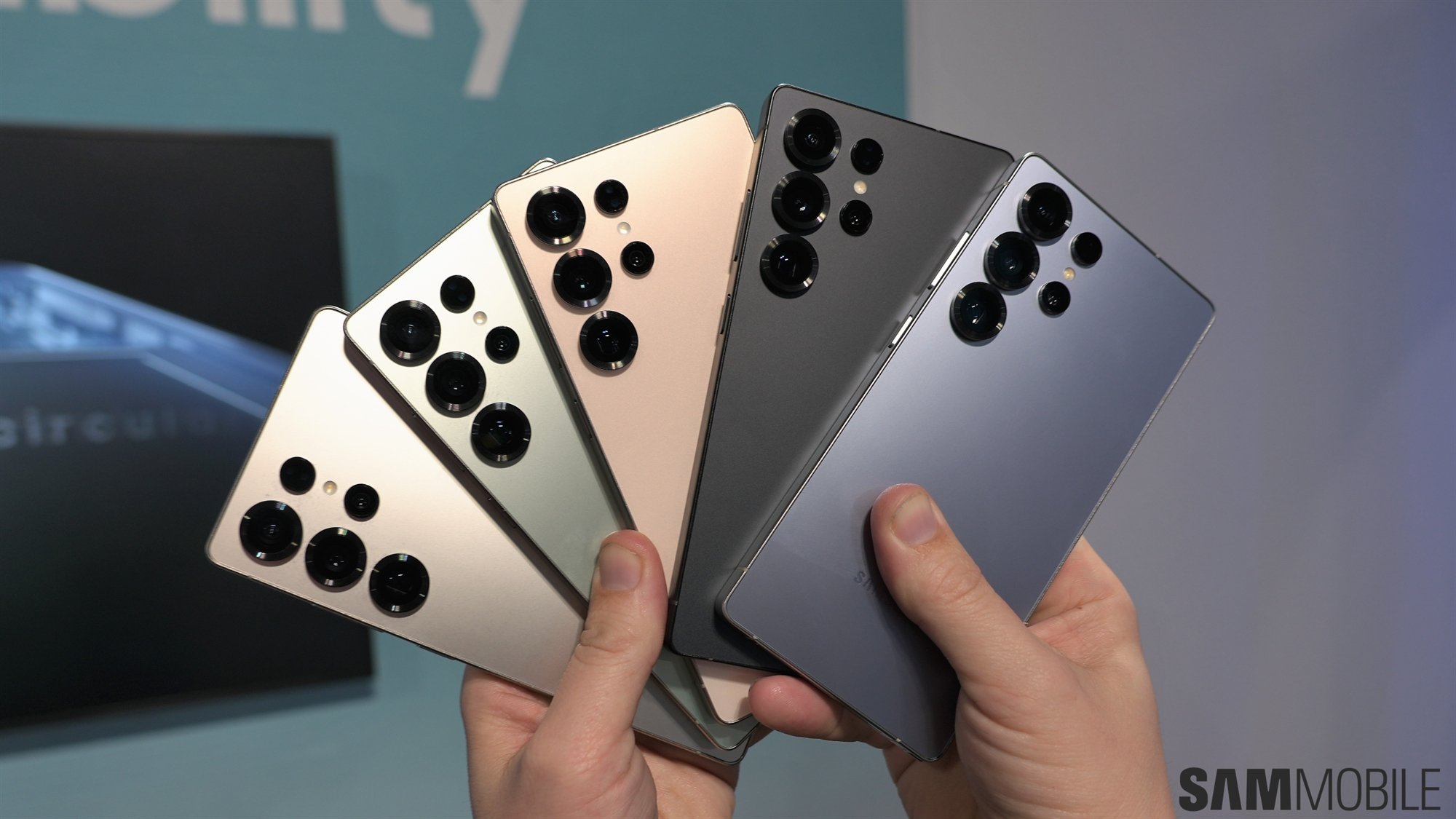
The Samsung Galaxy S II presents a remarkable blend of style and functionality that makes it a standout in the smartphone arena. With its sleek profile and elegant lines, the design of the Galaxy S II is a testament to Samsung’s mastery in smartphone aesthetics. The phone boasts a premium feel, largely due to its choice of materials and thoughtful design elements that cater to both visual appeal and user comfort.
The overall ergonomics of the Galaxy S II are designed to enhance usability, making it a comfortable device for daily activities. Its slim profile and lightweight construction facilitate easy handling, whether it is being held for long periods during calls or used for browsing the web. The curved edges further contribute to a natural grip, ensuring that users can operate the device with one hand without difficulty.
Materials and Aesthetics
The Samsung Galaxy S II utilizes high-quality materials that contribute to its sophisticated look. The front is dominated by a large Super AMOLED display, which not only provides vibrant colors and deep blacks but also enhances the overall aesthetic appeal of the device. The use of Gorilla Glass on the front screen ensures scratch resistance, providing a durable surface that withstands everyday use.
The back cover is made from lightweight plastic, giving the phone a sleek and modern look while keeping the weight down. The metallic accents around the edges add a touch of elegance, making the phone suitable for both casual and formal settings. The combination of materials reflects Samsung’s commitment to delivering a device that is not only functional but also visually pleasing.
Usability and Everyday Scenarios
In terms of usability, the Galaxy S II excels in various everyday scenarios. The device’s light weight and slim profile make it convenient to carry in pockets or bags without adding bulk. Users will find that accessing apps, taking photos, or messaging is straightforward due to the well-placed buttons and responsive touchscreen. The device is designed to fit comfortably in the hand, allowing for extended use without fatigue, which is particularly beneficial during long calls or while scrolling through social media feeds.
Durability and Resistance
Durability is a critical aspect of the Samsung Galaxy S II, which is designed to withstand the rigors of daily life. The presence of Gorilla Glass not only enhances the device’s scratch resistance but also provides a level of protection against drops. Users can feel confident that the device can endure minor mishaps without resulting in significant damage.
Moreover, the sturdy construction of the phone, coupled with the quality of the materials used, means that the Galaxy S II can resist wear and tear effectively. This durability is essential for users who lead active lifestyles, as the device can handle the occasional bump or drop with relative ease. Overall, the Samsung Galaxy S II embodies a well-crafted design that prioritizes both aesthetics and practicality, ensuring it remains a favored choice among users.
User Experience and Interface
The Samsung Galaxy S II offers a seamless user experience with its TouchWiz interface, which enhances the overall functionality of the device. Designed to be intuitive and user-friendly, this interface incorporates various customization options that allow users to tailor their devices to meet personal preferences and utilize their smartphones effectively.
Customization Features
One of the standout aspects of the Samsung Galaxy S II is its extensive customization capabilities. Users can personalize home screens by adding widgets, changing wallpapers, and rearranging app icons. The TouchWiz interface provides a variety of themes and icon packs, allowing users to change the visual appearance of their device effortlessly. Moreover, users can dive into the settings to modify font sizes, screen brightness, and even apply different color schemes, ensuring that each device reflects individual style and usability needs.
Multitasking Capabilities
The multitasking features of the Galaxy S II significantly enhance productivity. With the ability to run multiple applications simultaneously, users can easily switch between tasks without losing progress. The device supports a feature known as “Recent Apps,” which displays a visual overview of open applications, allowing for swift navigation. This capability is particularly beneficial for users who need to manage emails while browsing the web or take notes during a video call.
“The multitasking prowess of the Galaxy S II empowers users to accomplish tasks efficiently without interruption.”
Available Applications
The Samsung Galaxy S II comes equipped with a diverse range of applications catering to various user needs. These applications can be categorized as follows:
- Productivity Apps: Includes tools like Samsung’s calendar, note-taking apps, and document editors which help users manage their schedules and tasks effectively.
- Social Networking: Pre-installed applications such as Facebook, Twitter, and Instagram enable users to stay connected with friends and family on the go.
- Entertainment: Users can access streaming services like YouTube and media players, making it easy to enjoy videos, music, and games.
- Utility Apps: The device includes tools such as a calculator, file manager, and weather app to assist users in daily life activities.
The Galaxy S II’s application ecosystem is supported by the Android platform, which allows users to download additional apps from the Google Play Store, broadening their options even further.
Market Impact and Reception
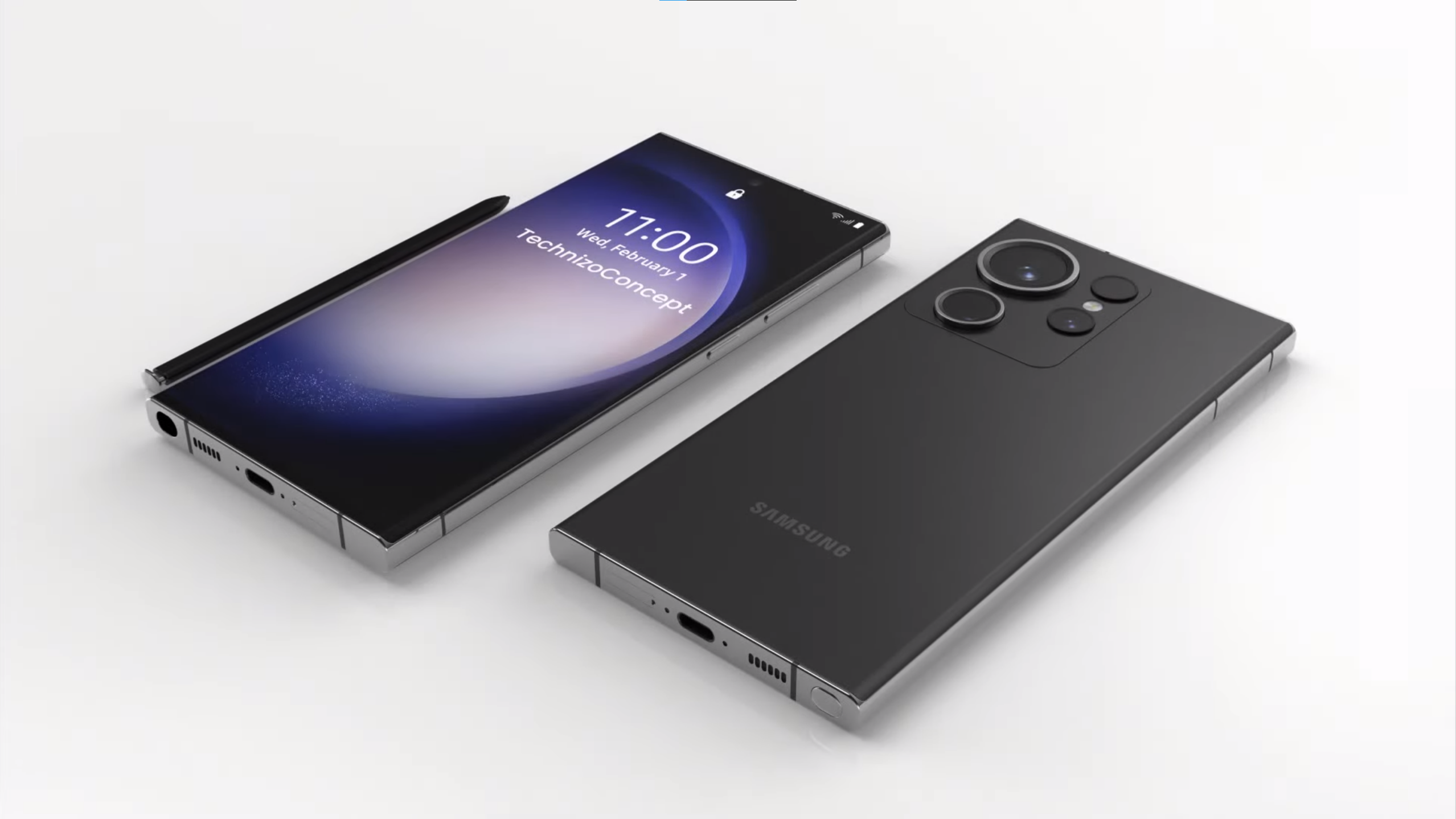
Upon its launch in 2011, the Samsung Galaxy S II made a significant impression in the smartphone market, quickly establishing itself as a powerhouse within the rapidly evolving technology landscape. The device’s combination of sleek design, powerful hardware, and user-friendly interface resonated well with consumers and critics alike, marking a pivotal moment for Samsung as it began to challenge the dominance of established competitors like Apple.
The Samsung Galaxy S II was met with overwhelmingly positive reception, which contributed to its considerable sales success. In the first five months after its release, the device sold over 10 million units, a testament to its appeal and functionality. Its success helped propel Samsung to become one of the leading smartphone manufacturers in the world.
Consumer Reviews and Ratings
Consumer feedback highlighted a range of strengths and weaknesses associated with the Galaxy S II, which helped shape its reputation. Many users praised the device for its vivid Super AMOLED Plus display, which provided stunning visuals and excellent color reproduction. Its performance, powered by a dual-core processor, was frequently commended for handling multitasking and demanding applications with ease. The camera, equipped with an 8MP sensor, also received accolades for its quality, particularly in well-lit conditions.
However, criticisms emerged regarding the battery life, which some users found inadequate for heavy usage, leading to a search for additional charging solutions. Other points of contention included the device’s plastic build, which some perceived as lacking the premium feel of rival devices, particularly the iPhone. Despite these concerns, the overall rating across numerous review platforms remained high, with an average score consistently falling above 4 out of 5 stars.
Legacy and Influence on Subsequent Models
The legacy of the Samsung Galaxy S II is evident in its significant influence on subsequent smartphone designs and features. It set a new standard for Android devices, showcasing how powerful specifications combined with an intuitive user interface could create an exceptional user experience. The success of the S II paved the way for future models within the Galaxy S series, each iteration taking cues from its predecessor while introducing new innovations.
Key aspects of the Galaxy S II’s legacy include:
- Design Philosophy: Its sleek form factor and emphasis on display quality influenced future smartphone aesthetics, leading to a design trend prioritizing larger screens with minimal bezels.
- Feature Set: Many features introduced with the S II, such as improved camera capabilities and advanced multitasking, became benchmarks for other manufacturers.
- Market Strategy: Samsung’s aggressive marketing strategies and timely software updates established a new approach for reaching consumers, compelling competitors to adapt their strategies accordingly.
In summary, the Samsung Galaxy S II not only achieved commercial success but also left a profound impact on the smartphone industry, influencing design trends, user expectations, and the competitive landscape for years to come.
Question Bank
What are the key specifications of the Samsung Galaxy S II?
The Samsung Galaxy S II features a 4.3-inch Super AMOLED display, a dual-core 1.2 GHz processor, and an 8MP rear camera, along with a 2MP front camera.
How does the Samsung Galaxy S II compare to its predecessors?
Compared to its predecessors, the Samsung Galaxy S II offers a larger display, improved processing power, and advanced camera technology, making it a substantial upgrade.
Is the Samsung Galaxy S II still relevant today?
While it may be outdated compared to current models, the Samsung Galaxy S II remains a significant piece of technology history, appreciated by enthusiasts.
Can the Samsung Galaxy S II run modern applications?
Due to its older hardware specifications, many modern applications may not run efficiently on the Samsung Galaxy S II, limiting its functionality today.
What unique features does the Samsung Galaxy S II offer?
The device includes features like Samsung’s TouchWiz interface, customizable home screens, and multitasking capabilities that enhance the user experience.
The Galaxy Note 7 was a pivotal moment for Samsung, showcasing cutting-edge technology while also facing significant challenges. Its advanced features, like the S Pen and impressive display, set new standards in the smartphone industry, despite the infamous battery issues that led to its recall. This incident redefined how manufacturers approach safety and innovation.
Transitioning to the present, the Samsung Galaxy S10 Plus represents the evolution of Samsung’s flagship lineup. With enhanced performance, a stunning display, and an impressive camera system, it caters to both tech enthusiasts and casual users alike. The advancements made since the Note 7 incident highlight Samsung’s commitment to quality and customer satisfaction.