samsung galaxy f takes center stage as a dynamic entry in the competitive smartphone market, designed to cater to users seeking quality without breaking the bank. With its blend of impressive specifications and affordable pricing, the Galaxy F series promises to deliver a compelling experience for budget-conscious consumers.
The Samsung Galaxy F series has evolved significantly since its inception, capturing the attention of a diverse audience that values both performance and affordability. With a history rooted in user-centric design, this series stands out by offering competitive features that rival more expensive counterparts while maintaining a strong market position.
Overview of Samsung Galaxy F Series
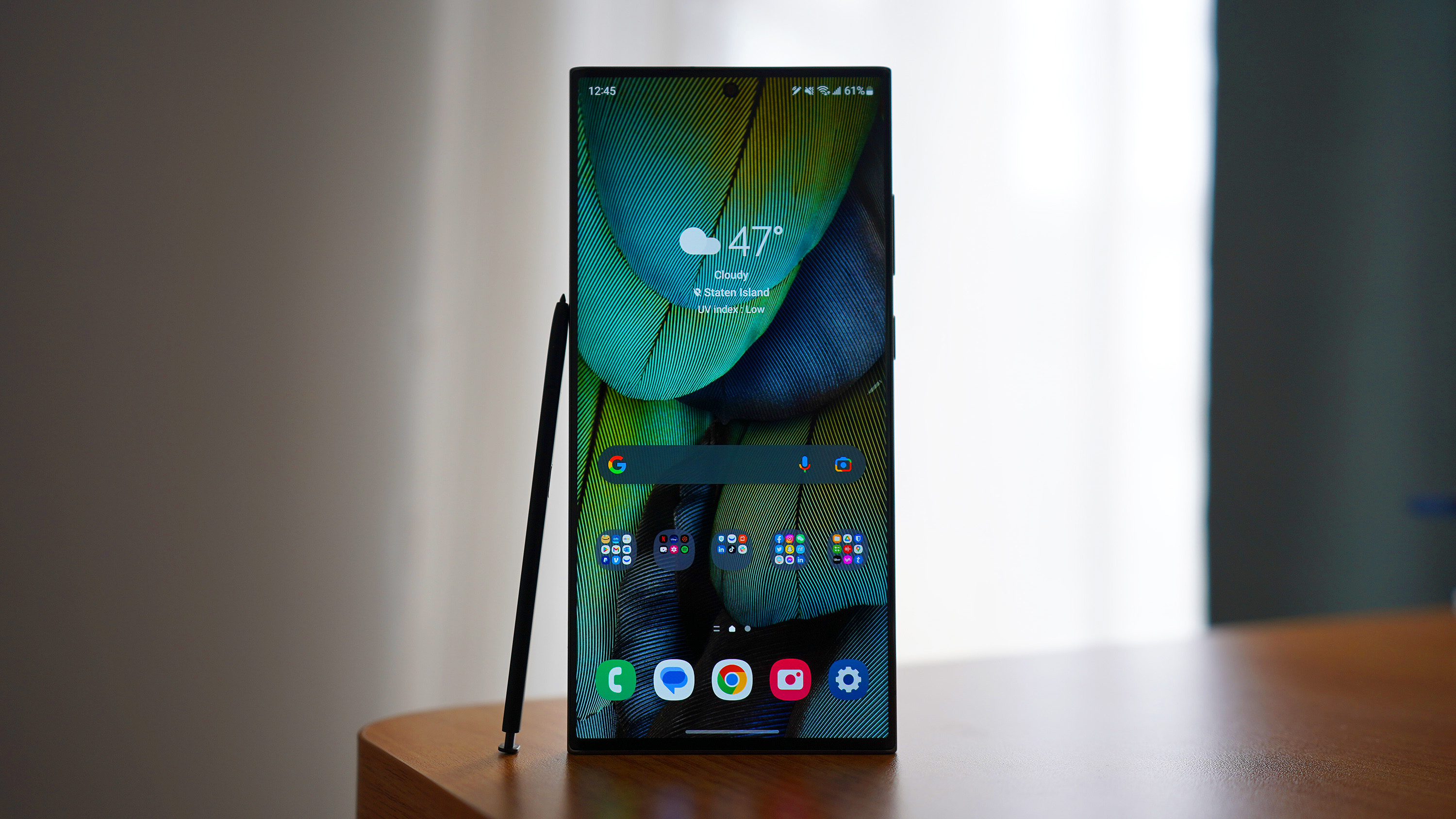
The Samsung Galaxy F series has emerged as a compelling lineup of smartphones tailored for the budget-conscious consumer who seeks quality without compromising on essential features. Launched with the intent of providing a robust smartphone experience at an affordable price, the Galaxy F series has quickly become popular among young professionals and tech-savvy users.
The Galaxy F series showcases a blend of impressive specifications and appealing designs, targeting users who prioritize performance, camera quality, and battery life. Key features often include high-resolution displays, multi-camera setups, and reliable battery capacities, ensuring a fulfilling user experience. For example, models like the Galaxy F41 and F62 have been equipped with Super AMOLED displays, powerful processors, and large batteries, making them suitable for both casual browsing and demanding applications.
History and Evolution of the Samsung Galaxy F Series
The Samsung Galaxy F series was introduced in October 2020, marking Samsung’s strategic entry into the budget segment of the smartphone market. Initially launched as an online-exclusive series, the F series aimed to cater to the needs of users in emerging markets, particularly India. The first model, the Galaxy F41, set the tone with its impressive camera capabilities and mid-range performance, quickly gaining popularity for its value proposition.
Subsequent models, including the Galaxy F62, expanded the lineup, incorporating advancements in technology and design. The F62, for instance, offered a stunning Super AMOLED display and an efficient Exynos processor, further solidifying the series’ reputation for performance. The evolution of the F series has been characterized by a focus on user feedback and market trends, leading to enhanced features in photography, battery life, and overall usability in newer iterations.
Target Audience and Market Positioning
The Galaxy F series primarily targets young adults, students, and professionals in emerging markets who are looking for reliable smartphones without breaking the bank. This demographic is typically tech-savvy, valuing features such as camera quality for social media, robust performance for multitasking, and long battery life for extended usage.
The market positioning of the Galaxy F series is strategic; it fills the gap between entry-level devices and more premium offerings from Samsung. By providing high-quality smartphones at competitive prices, Samsung aims to attract users who may have previously considered alternatives from brands like Xiaomi or Realme. The F series stands out by incorporating Samsung’s renowned software experience and ecosystem, making it a compelling choice for users already engaged with the brand.
In summary, the Samsung Galaxy F series has successfully carved out a niche for itself, appealing to consumers looking for quality smartphones that combine functionality with affordability. Its evolution reflects Samsung’s commitment to meeting the needs of a diverse audience, ensuring that the F series remains a relevant and attractive option in the competitive smartphone market.
Comparison with Other Samsung Models
The Samsung Galaxy F series is designed to cater to a specific segment of users who seek value for money without compromising on essential features. This comparison aims to highlight the core differences between the Galaxy F series and other prominent Samsung models, such as the S and A series, enabling consumers to make informed decisions based on their preferences and needs.
When examining the distinct characteristics of the Galaxy F series against other models, several key factors emerge. The F series often combines mid-range pricing with features typically found in higher-end models, making it an attractive choice for budget-conscious consumers. However, it also comes with certain limitations compared to flagship models like the S series, known for their premium specifications and advanced technology.
Main Differences Between Galaxy F and Other Samsung Models
The differences between the Galaxy F series and other Samsung series are mainly evident in specifications, camera performance, build quality, and pricing. Understanding these differences can help potential buyers evaluate which model best meets their requirements.
- Build Quality:
The Galaxy F series typically uses plastic materials, whereas the S series features premium glass and metal builds, offering enhanced durability and aesthetics. - Camera Capabilities:
While the Galaxy F series provides decent camera functionality, the S series excels with advanced camera technologies, including better low-light performance and additional features like 8K video recording. - Processor Performance:
The Galaxy F usually houses mid-range processors, suitable for everyday tasks, while the S series incorporates top-tier processors that deliver superior performance for gaming and multitasking. - Display Quality:
The Galaxy F series offers vibrant displays but may lack the dynamic AMOLED technology found in the S series, resulting in differences in color accuracy and brightness. - Software Features:
The S series often comes with exclusive software enhancements that optimize user experience, including advanced multitasking features and additional customization options.
Advantages and Disadvantages of Choosing the Galaxy F Series
Choosing the Galaxy F series over the S or A series presents both advantages and disadvantages that potential buyers should consider carefully.
- Advantages:
- Cost-Effectiveness: The Galaxy F series is priced more affordably, making it accessible for budget-conscious consumers.
- Good Performance: It offers reliable performance for day-to-day tasks, social media, and light gaming.
- Value for Features: Many models in the F series include features like decent camera setups and large batteries, providing good value for the price.
- Disadvantages:
- Lower Specifications: Compared to the S series, the F series has lower specifications that may not satisfy power users or gamers.
- Limited Premium Features: Users miss out on high-end features like IP ratings for water resistance and advanced display technologies.
- Less Frequent Updates: The F series may not receive software updates as frequently as flagship models, potentially affecting long-term usability.
Comparison Table: Samsung Galaxy F vs. Similar Models
To provide a clearer understanding of how the Galaxy F series stacks up against its counterparts, the following table Artikels key specifications and pricing for comparison.
| Model | Display | Processor | Camera | Battery | Price |
|---|---|---|---|---|---|
| Galaxy F54 | 6.7-inch Super AMOLED | Exynos 1380 | 108 MP + 12 MP + 5 MP | 6000 mAh | $349 |
| Galaxy A54 | 6.4-inch Super AMOLED | Exynos 1380 | 50 MP + 12 MP + 5 MP | 5000 mAh | $449 |
| Galaxy S23 | 6.1-inch Dynamic AMOLED 2X | Snapdragon 8 Gen 2 | 50 MP + 12 MP + 10 MP | 3900 mAh | $799 |
This comparative analysis illustrates the positioning of the Galaxy F series within Samsung’s portfolio, emphasizing its value proposition while also highlighting the benefits and trade-offs that come with its selection.
User Experience and Reviews
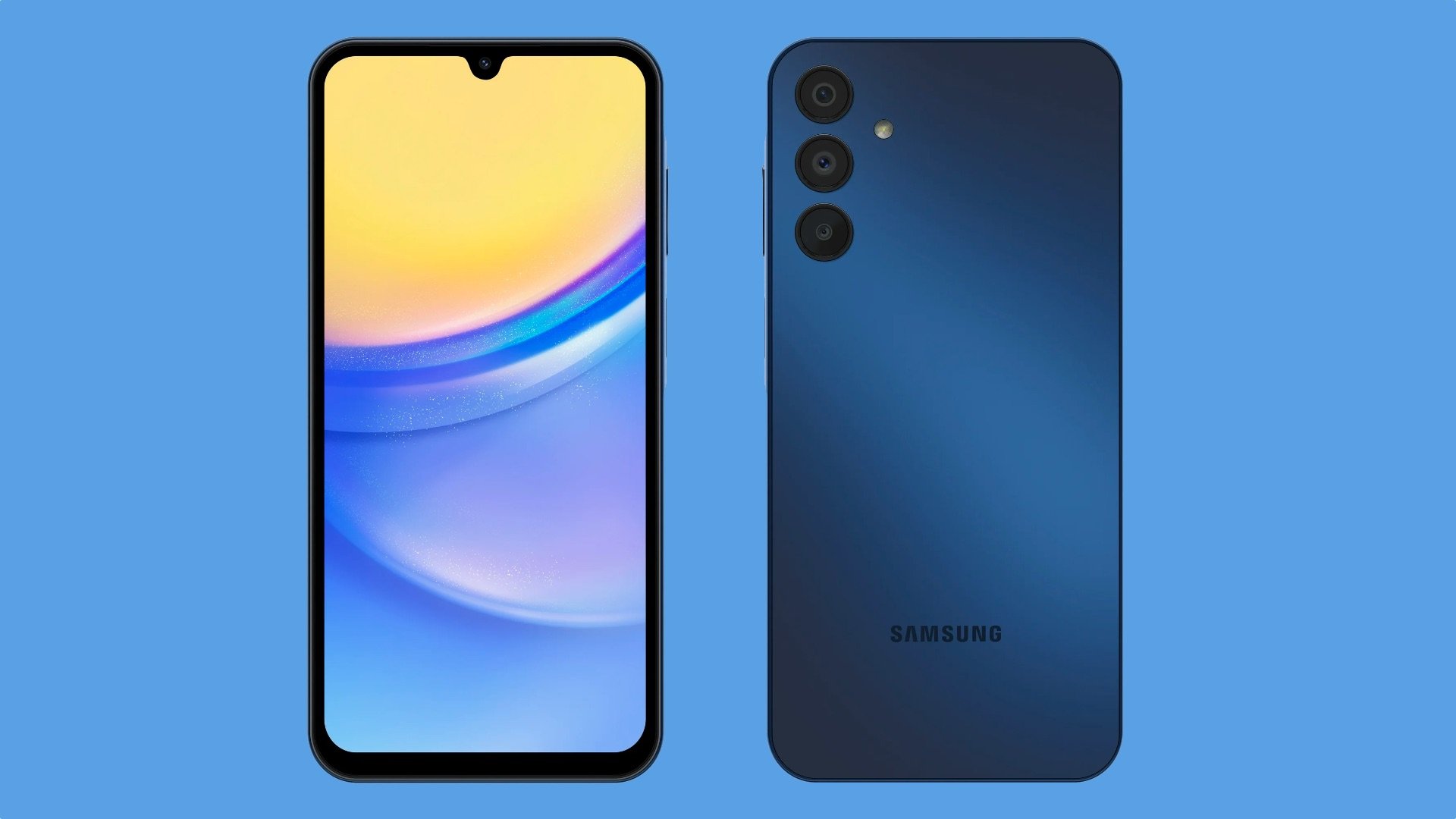
The Samsung Galaxy F series has garnered attention for its blend of style and functionality, appealing particularly to budget-conscious consumers. User experiences and reviews provide valuable insights into how well the devices perform in real-world scenarios, reflecting the sentiments of everyday users.
The general consensus among users highlights a mixed yet predominantly positive experience with the Galaxy F series. While many praise its affordability and stylish design, some users have raised concerns regarding certain performance aspects and battery longevity. Feedback often centers on three crucial areas: performance, camera quality, and software experience.
Performance Feedback, Samsung galaxy f
User reviews on performance reveal a generally favorable sentiment, with many users appreciating the smooth multitasking capabilities of the Galaxy F series. The combination of various chipsets allows the devices to handle everyday tasks efficiently.
However, some users have noted occasional lag during resource-intensive operations, particularly in gaming scenarios. The overall perception is summarized as follows:
- Positive feedback on daily usage and multitasking performance.
- Complaints regarding occasional lag in high-demand applications.
- General satisfaction with the RAM management and internal storage options available.
Camera Quality Insights
The camera performance of the Galaxy F series is another focal point in user reviews. Many users commend the camera’s capability to capture vibrant images, especially in daylight conditions. The presence of multiple lenses, including ultra-wide and depth sensors, adds to the versatility of photography options.
Nevertheless, some critiques have emerged regarding low-light performance. Users have expressed that photos taken in dim environments often lack clarity and detail. The feedback can be categorized as follows:
- Positive comments on the camera’s performance in well-lit situations.
- Concerns about low-light photography quality.
- Appreciation for additional camera features like portrait mode and night mode.
Software Experience and Usability
The software experience of the Galaxy F series, powered by One UI, has received mixed reviews. Many users appreciate the clean interface and helpful features that enhance usability. The software is designed to be intuitive, allowing for easy navigation and accessibility.
However, some users have reported experiencing bloatware issues and unwanted pre-installed applications that clutter the interface. The sentiments can be summarized as follows:
- Positive remarks about the user-friendly interface and customization options.
- Criticism regarding pre-installed applications that are considered unnecessary.
- General satisfaction with software updates and security patches provided by Samsung.
Overall, the user experience with the Samsung Galaxy F series reflects a balance of satisfaction and areas for improvement. While many users enjoy the devices for their affordability, design, and performance, others highlight specific concerns that could enhance future iterations of the series.
Future of the Samsung Galaxy F Series

The Samsung Galaxy F Series has quickly become a pivotal lineup in Samsung’s portfolio, especially in emerging markets where budget-friendly devices are in high demand. As we look towards the future, several trends and potential upgrades are on the horizon that could redefine the Galaxy F experience for users, enhancing its appeal and functionality.
Advancements in smartphone technology are continuously evolving, and the Galaxy F Series is expected to incorporate these innovations. From improved processing power to enhanced camera capabilities and battery life, future models will likely reflect changing consumer preferences and technological advancements. The integration of artificial intelligence, 5G connectivity, and sustainable materials may also play a significant role in future designs.
Potential Upgrades and Features
With the rapid pace of technological development, future Galaxy F models will likely feature significant enhancements across various aspects. Some anticipated upgrades include:
- Camera Improvements: Enhanced camera systems with higher megapixels and advanced computational photography features, including night mode and AI enhancements, similar to those found in flagship models.
- Performance Boost: Incorporation of faster processors from the Exynos or Snapdragon lines, ensuring that devices can handle multitasking and demanding applications efficiently.
- Display Technology: Adoption of AMOLED displays with higher refresh rates for smoother visuals, along with improvements in brightness and color accuracy.
- Battery Life Enhancements: Larger battery capacities coupled with energy-efficient components, along with faster charging technology, may become standard in upcoming models.
- 5G Connectivity: As 5G networks expand, future Galaxy F devices are expected to include 5G capabilities, catering to users looking for faster data speeds.
The importance of these upgrades lies in meeting consumer expectations for performance, usability, and technological relevance in a competitive market.
Trends Influencing Design and Functionality
Emerging trends in smartphone technology will inevitably shape the design and functionality of future Galaxy F devices. Key trends include:
- Sustainability: Increasing consumer awareness of environmental issues may drive Samsung to use more recycled materials in the production of Galaxy F models, focusing on eco-friendly design.
- AI Integration: With AI becoming a cornerstone of user experience, future Galaxy F devices may include features like AI-driven photography, voice recognition, and personalized suggestions to enhance usability.
- Foldable Technology: Although currently premium, advancements in foldable display technology may trickle down to mid-range devices, potentially allowing for innovative designs in the Galaxy F Series.
These trends reflect a broader shift in the smartphone market towards more versatile, user-oriented devices that prioritize both performance and sustainability.
Expected Release Timeline
The Samsung Galaxy F Series has established a pattern of releases that aligns with market demands and competition. While specific release dates can fluctuate, a general timeline for upcoming models is anticipated as follows:
- Galaxy F15: Expected to launch in early 2024, potentially in March, incorporating the latest features discussed.
- Galaxy F16: Anticipated for a mid-year release around August 2024, likely to feature enhancements based on consumer feedback from previous models.
- Galaxy F17: Expected in early 2025, with predictions of even more advanced technology and innovative features that could include foldable designs.
Each new release is anticipated to build on the successes and challenges of its predecessors, further solidifying the Galaxy F Series as a key player in the smartphone market.
FAQ Corner
What are the main features of the samsung galaxy f?
The samsung galaxy f features a vibrant display, solid battery life, good camera capabilities, and a user-friendly interface designed for everyday use.
How does the samsung galaxy f compare to other Samsung models?
While offering competitive features, the samsung galaxy f typically has fewer premium materials and features than higher-end models like the S or A series, making it more budget-friendly.
Is the samsung galaxy f suitable for gaming?
Yes, the samsung galaxy f can handle casual gaming well, though it may struggle with high-performance gaming due to its mid-range specifications.
What is the expected price range for the samsung galaxy f?
The samsung galaxy f is generally priced between $200 to $350, depending on the specific model and features.
When can we expect new models in the samsung galaxy f series?
New models in the samsung galaxy f series are expected to be released annually, typically in conjunction with major tech events or seasonal promotions.
The Galaxy Note 7 is often remembered for its groundbreaking features and unfortunate recall. With its vibrant display and powerful performance, it set a high standard for smartphones of its time. However, the battery issues overshadowed its achievements, making it a significant case study in tech product management.
Meanwhile, the Samsung Galaxy F represents a different chapter in Samsung’s strategy, targeting budget-conscious consumers. With impressive features at an affordable price, it aims to capture the rapidly growing mid-range market. This shift shows Samsung’s commitment to providing quality devices accessible to a wider audience.