galaxy note 7 sets the stage for this enthralling narrative, offering readers a glimpse into a story that is rich in detail. This flagship device from Samsung was launched with remarkable features, a sleek design, and cutting-edge specifications that distinguished it from its predecessors. The Galaxy Note 7 promised to blend productivity and style, captivating tech enthusiasts and consumers alike.
However, the excitement was soon overshadowed by battery issues that led to a significant recall. This incident not only impacted users but also sent ripples through the smartphone market, raising questions about device safety and corporate responsibility. As we explore the Galaxy Note 7’s legacy, we uncover how it has inspired future innovations in smartphone technology.
Overview of the Galaxy Note 7

The Samsung Galaxy Note 7 is notable for its innovative features and sleek design, marking a significant evolution in Samsung’s Note series. Released in 2016, the device merges productivity and premium design, catering to both professional and casual users. With enhanced specifications and features, the Note 7 set a new standard in the smartphone market during its time.
The Galaxy Note 7 introduced several key features that distinguished it from its predecessors. One of its standout elements was the stunning 5.7-inch Quad HD Super AMOLED display, which offered vibrant colors and deep contrast, enhancing the user experience for media consumption and productivity. The device was also equipped with the S Pen, which boasted improved functionality, including a new feature that allowed users to write on the screen without unlocking the device. Additionally, the Note 7 was the first in the series to offer IP68 water and dust resistance, providing users with added peace of mind in various environments.
Design Elements and Specifications
The design of the Galaxy Note 7 reflects a sophisticated aesthetic, characterized by a glass front and back with a metal frame, giving it a premium feel. The device features a subtle curve on both the front and back glass, ensuring a comfortable grip.
Key specifications of the Galaxy Note 7 include:
- Display: 5.7-inch Quad HD Super AMOLED (2560 x 1440) resolution
- Processor: Qualcomm Snapdragon 820 or Exynos 8890, depending on the region
- RAM: 4 GB
- Storage: 64 GB internal, expandable via microSD up to 256 GB
- Camera: 12 MP rear camera with dual pixel autofocus, 5 MP front camera
- Battery: 3,500 mAh with fast charging capabilities
- Operating System: Android 6.0 (Marshmallow), upgradable
These specifications positioned the Note 7 as a powerful competitor in the market, appealing to tech-savvy consumers.
Comparison with Contemporaries
In the competitive smartphone landscape of 2016, the Galaxy Note 7 faced stiff competition from various flagship models. The iPhone 7 Plus and Google Pixel were among its main rivals, each offering unique strengths.
When compared to the iPhone 7 Plus, the Note 7 featured a larger display and integrated the S Pen, which appealed to users who valued productivity. The iPhone 7 Plus, on the other hand, was praised for its robust ecosystem and seamless integration with other Apple devices.
In relation to the Google Pixel, known for its exceptional camera quality and stock Android experience, the Galaxy Note 7’s camera technology also stood out, particularly with its fast autofocus and low-light performance.
Overall, the Galaxy Note 7’s combination of design, features, and specifications allowed it to carve out a niche in the premium smartphone market, setting benchmarks for future devices in the Note series and beyond.
Battery Issues and Recall: Galaxy Note 7
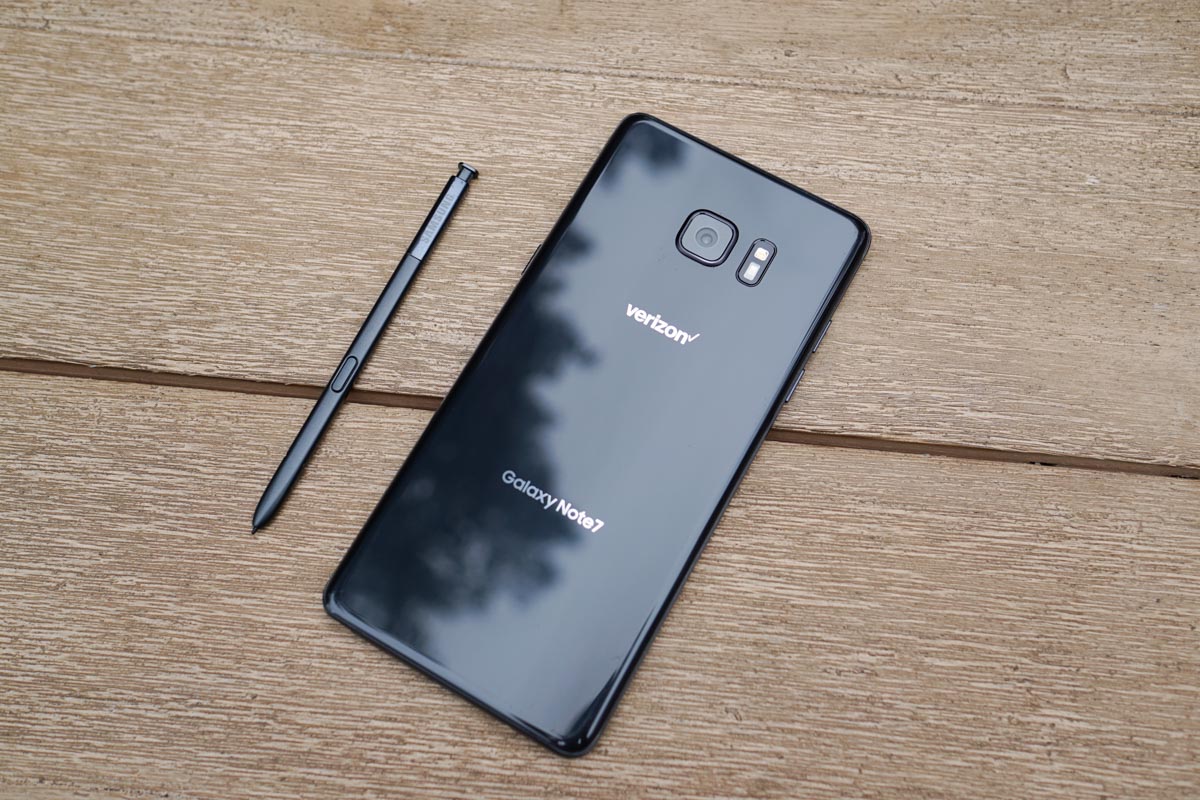
The Galaxy Note 7, renowned for its advanced features and sleek design, became embroiled in controversy due to significant battery failures that ultimately led to a widespread recall. The issues surrounding the battery not only tarnished Samsung’s reputation but also raised concerns regarding consumer safety in the smartphone industry.
The battery failures were attributed primarily to manufacturing defects that led to short-circuiting and overheating. Two different battery suppliers provided cells for the Note 7, and both encountered problems: one used a design that was too tight for the cell, causing damage during assembly, while the other used faulty materials that increased the risk of thermal runaway. This issue manifested itself in several reported incidents where devices caught fire or exploded, leading to a public outcry and regulatory scrutiny.
Timeline of the Recall Process, Galaxy note 7
The timeline of the Galaxy Note 7 recall highlights the rapid response required in the face of consumer safety concerns. Below is a sequence of key events:
- August 2016: The Galaxy Note 7 is launched, initially receiving positive reviews.
- September 2016: Reports of battery issues surface; Samsung announces a global recall of 2.5 million devices.
- October 2016: Replacement devices are issued, but further reports of battery failures emerge.
- October 11, 2016: Samsung ceases production of the Note 7 and advises customers to power down their devices immediately.
- December 2016: Samsung officially ends the Note 7 production, and a final recall takes place, with a refund or exchange offered to customers.
The impacts of this recall were far-reaching, affecting not just consumers but also Samsung’s market position. The company faced significant financial losses and a decline in consumer trust, prompting a reevaluation of its quality assurance processes.
Measures Taken to Restore Consumer Trust
In response to the crisis, Samsung implemented several comprehensive measures to rectify the battery issues and restore consumer confidence:
- Enhanced Quality Control: Samsung established a new Battery Advisory Group and introduced an eight-point battery safety check to ensure rigorous testing of future devices.
- Transparency and Communication: The company maintained open lines of communication with customers, issuing regular updates and safety advisories throughout the recall process.
- Customer Incentives: Samsung offered refunds, exchanges for alternative devices, and promotional incentives to encourage customers to remain loyal to the brand.
- Reinforcement of Safety Standards: The company strengthened its commitment to battery safety by investing in research and development focused on battery technology.
These steps were crucial in repositioning Samsung as a responsible manufacturer dedicated to consumer safety and product quality.
Legacy and Innovations Inspired by the Galaxy Note 7

The Galaxy Note 7, despite its tumultuous history, has left a significant mark on the smartphone industry. Its innovations and features have set a benchmark for future devices, influencing design and technology that continues to resonate today. The Note 7 was not only a device that pushed boundaries but also a catalyst for change in how smartphones are developed and perceived.
The technological advancements spurred by the Galaxy Note 7 are numerous and impactful. It introduced features that redefined user expectations and inspired subsequent models. From its sleek design to its powerful performance, the Galaxy Note 7 has undeniably shaped the smartphone landscape.
Technological Advancements Influenced by the Galaxy Note 7
One of the standout innovations introduced by the Galaxy Note 7 was the iris scanner, which allowed users to unlock their devices securely and swiftly. This feature represented a significant leap from traditional fingerprint recognition, leading other manufacturers to adopt similar biometric technologies in their smartphones.
Additionally, the Note 7’s display technology set a precedent for future devices. The curved Super AMOLED display not only enhanced visual clarity but also provided an immersive experience, influencing the design of flagship smartphones from various brands. The trend towards edge-to-edge displays can be traced back to the innovations showcased in the Note 7.
Impact on Future Smartphone Design
The Galaxy Note 7’s design ethos has reverberated throughout the industry, particularly in how smartphones are crafted. Its sleek, premium build quality, combined with a focus on ergonomics, has led to a surge in demand for devices that are both aesthetically pleasing and comfortable to hold. The emphasis on glass and metal materials, as seen in the Note 7, has become a staple in high-end smartphones.
The Note 7 also popularized the concept of water and dust resistance in its class. The IP68 rating established a standard that many manufacturers now strive to meet, ensuring smartphones can withstand the rigors of daily life, including exposure to water and dust.
Features Retained in Future Galaxy Note Models
Several features initially introduced with the Galaxy Note 7 have persisted in subsequent Galaxy Note iterations and influenced other smartphone brands. These include:
- S Pen Enhancements: The Note 7 introduced features like Air Command and improved pressure sensitivity, which have become integral to the S Pen experience in future models.
- Dual Pixel Camera Technology: The camera system in the Note 7 included dual pixel technology, leading to rapid autofocus and improved low-light performance that has been carried forward into later models.
- Water and Dust Resistance: The IP68 rating established by the Note 7 has been a key feature of subsequent devices, ensuring durability and reliability.
- Samsung DeX Support: The Note 7 laid the groundwork for Samsung’s DeX capabilities, which allow users to connect their devices to a monitor for a desktop-like experience, a feature that has become increasingly popular.
- Fast Charging Technology: The inclusion of fast charging capabilities in the Note 7 set a new standard for quick battery replenishment, which other manufacturers have since adopted.
Essential FAQs
What were the standout features of the Galaxy Note 7?
The Galaxy Note 7 featured a stunning curved display, an advanced S Pen, water resistance, and a dual-edge design.
What caused the Galaxy Note 7 battery failures?
The battery failures were primarily caused by manufacturing defects that led to overheating and, in some cases, fires.
How did Samsung address the Galaxy Note 7 recall?
Samsung initiated a global recall, offering exchanges for affected devices and implementing stricter safety protocols for future products.
What impact did the Galaxy Note 7 recall have on Samsung’s reputation?
The recall temporarily damaged Samsung’s reputation, but the company worked hard to regain consumer trust through transparency and improved safety measures.
What innovations emerged as a result of the Galaxy Note 7?
Despite its challenges, the Galaxy Note 7 inspired advancements in battery technology, safety standards, and the design of subsequent smartphone models.
The Samsung S10 stands out with its stunning display and powerful performance, making it a favorite among smartphone enthusiasts. Its sleek design and impressive camera capabilities allow users to capture breathtaking moments with ease, ensuring that it remains a top contender in the ever-evolving smartphone market.
When we look back, the Samsung Galaxy S4 was a game-changer in its time, offering features that set new standards for mobile devices. With its user-friendly interface and vibrant screen, it catered to a wide audience, paving the way for the innovations that followed in the Galaxy series.